
What Fireplace is Suitable for Your Home?
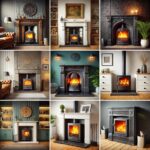
A fireplace can be the heart of a home, providing warmth, character, and a stunning focal point. But before you install or update a fire, it’s essential to understand what type is suitable for your property. Key factors, such as whether you have a chimney, the style of your home, and your heating needs, all play a role in making the right choice. Here’s a guide to help you identify the perfect fire for your home.
1. Does Your Home Have a Chimney?
The presence (or absence) of a chimney is one of the first things to consider when choosing a fire.
Homes With Chimneys
If your home has a working chimney, you have several options for fireplaces and stoves. Open fires, wood-burning stoves, multi-fuel stoves, and gas fires are all compatible with chimneys. However, it’s crucial to have the chimney inspected by a professional to ensure it’s safe and functional.
Homes Without Chimneys
If your home doesn’t have a chimney, don’t worry—you still have plenty of options. Gas fires, gas stoves, electric fires and electric stoves don’t require a traditional chimney. Instead, gas fires and stoves can be vented through an external wall using a flue, while electric fires and stoves are completely vent-free.
2. Assess Your Heating Needs
Your choice of fire should align with how you intend to use it. Ask yourself:
- Do you need a primary source of heat?
Wood-burning stoves, multi-fuel stoves, and pellet stoves are highly efficient and can serve as primary heating sources. - Is it for ambiance or occasional use?
If you’re looking for a fire that adds visual appeal and occasional warmth, an open fire, electric fire, or electric stove might be ideal.
3. Consider Your Home’s Style
The architectural style of your home can influence your choice of fireplace.
- Period Properties: Open fireplaces, cast iron surrounds, and wood-burning stoves are excellent choices for Victorian or Georgian homes. These options complement the character and heritage of older properties.
- Modern Homes: Gas fires, electric fires, and inset woodburning stoves with sleek, contemporary designs are perfect for modern interiors.
4. Check Local Regulations
Some areas, particularly smoke-controlled zones, have restrictions on the type of fire and fuel you can use. If you live in one of these areas:
- Look for DEFRA-approved stoves if you want to burn wood or coal. These stoves are designed to meet emissions standards.
- Consider smokeless fuels or alternative options like gas or electric fires.
5. Evaluate Ventilation and Installation Requirements
Every type of fire has different ventilation and installation needs. Here’s a quick breakdown:
- Open Fires and Wood-Burning Stoves: Require a working chimney or flue. A flue liner may be necessary to ensure safety and efficiency.
- Gas Fires: Need a connection to a gas supply and may require a flue or vent, depending on the model.
- Electric Fires: Require no ventilation, making them the simplest and most flexible option.
6. Think About Maintenance
Consider how much time and effort you’re willing to put into maintaining your fire:
- High Maintenance: Open fires require regular cleaning of ash and soot, as well as annual chimney sweeping.
- Moderate Maintenance: Wood-burning stoves and multi-fuel stoves need regular cleaning but are easier to maintain than open fires.
7. Prioritise Eco-Friendly Options
If sustainability is a priority, there are several environmentally friendly options to consider:
- Wood-Burning Stoves: Look for models that are DEFRA-approved and use seasoned wood for cleaner burning.
- Electric Fires and Stoves: When powered by renewable energy, these are among the greenest options.
8. Budget Considerations
Different types of fires have varying upfront and running costs:
- Open Fires: Often cost-effective to install if you already have a functional chimney, but less efficient for heating.
- Wood-Burning and Multi-Fuel Stoves: Higher initial costs but lower running costs due to efficient heat output.
- Gas Fires and Stoves: Mid-range installation costs and moderate running costs.
- Electric Fires and Stoves: Typically lower installation costs but may have higher running costs depending on usage.
Choosing the right type of fire for your home involves careful consideration of your chimney, heating needs, style preferences, and maintenance requirements. If you’re unsure, consult a professional who can assess your home and recommend suitable options. Whether you opt for a traditional open fire or a modern, eco-friendly solution, the perfect fire can add warmth, beauty, and character to your home.
Ready to explore your options? Start your journey to the perfect fireplace today! Check out our cost-saving fireplace package options to get some ideas.
https://www.victorianfireplaces.com/fireplace-packages.html
